Aluminum

Comprehensive expertise

The right aluminium process for every industrial need

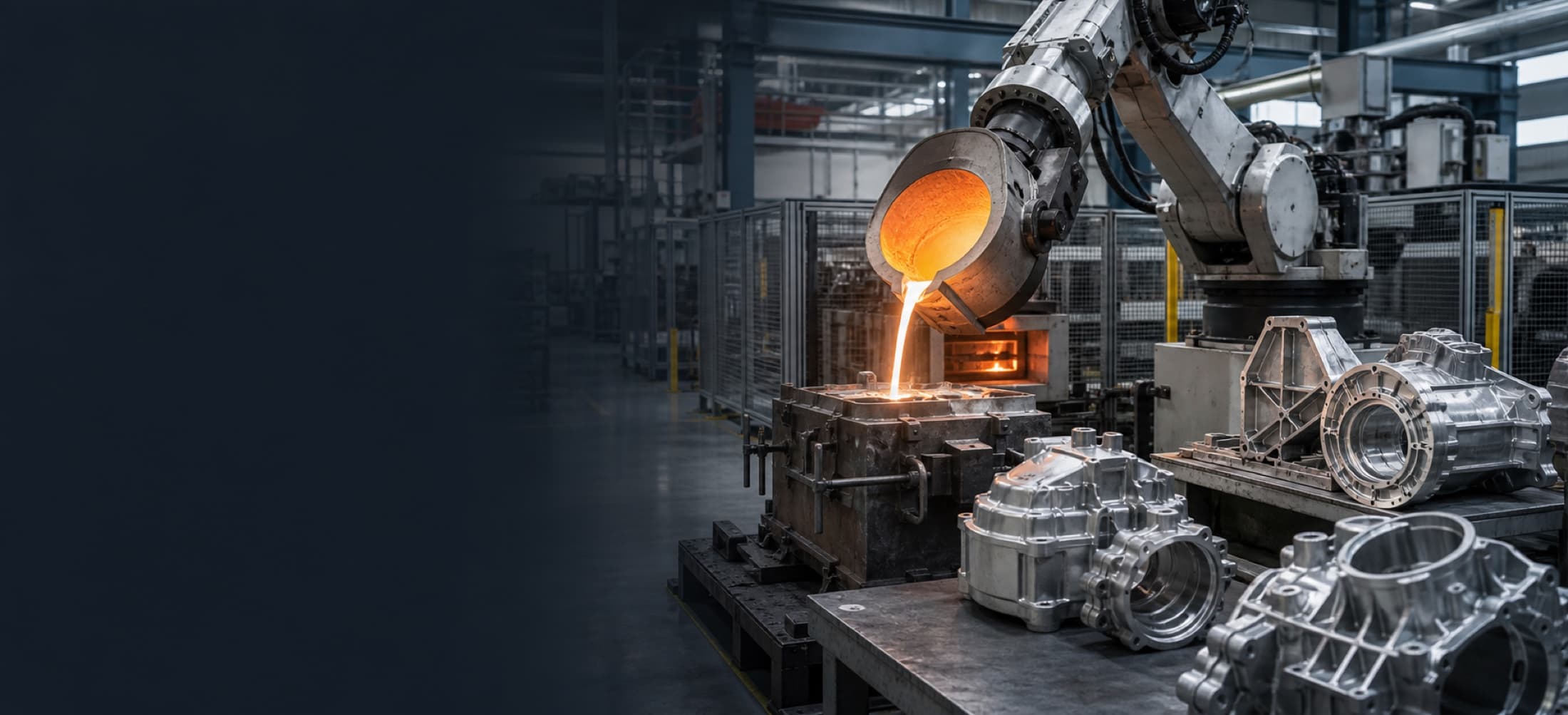
Aluminum foundry encompasses several complementary processes for producing complex, technical, and high-performance parts for industry. The choice of process depends on the part's geometry, volumes, expected precision, lead times, and required control level. Birdie Foundry Aluminum masters prototyping, sand casting, permanent mold casting, low-pressure die casting, high-pressure die casting, and finishing solutions to guide each project toward the most technically and economically coherent method.
  • Selection of the most suitable aluminum foundry process.
  • Part optimization from the design stage.
  • Production of reliable, controlled parts ready for industrial use.

From prototype to production

Additive manufacturing, sand casting, gravity die, low-pressure and high-pressure die casting depending on your needs.

Integrated quality control

X-ray inspection, spectrometry, dye penetrant testing and 3D control to ensure the reliability of technical parts.

Vaux site

A dedicated aluminium team at 1 rue Saint Hippolyte, 03190 Vaux.

Aluminium casting processes

Choose a process based on your production volume, required precision, part geometry and lead-time constraints.
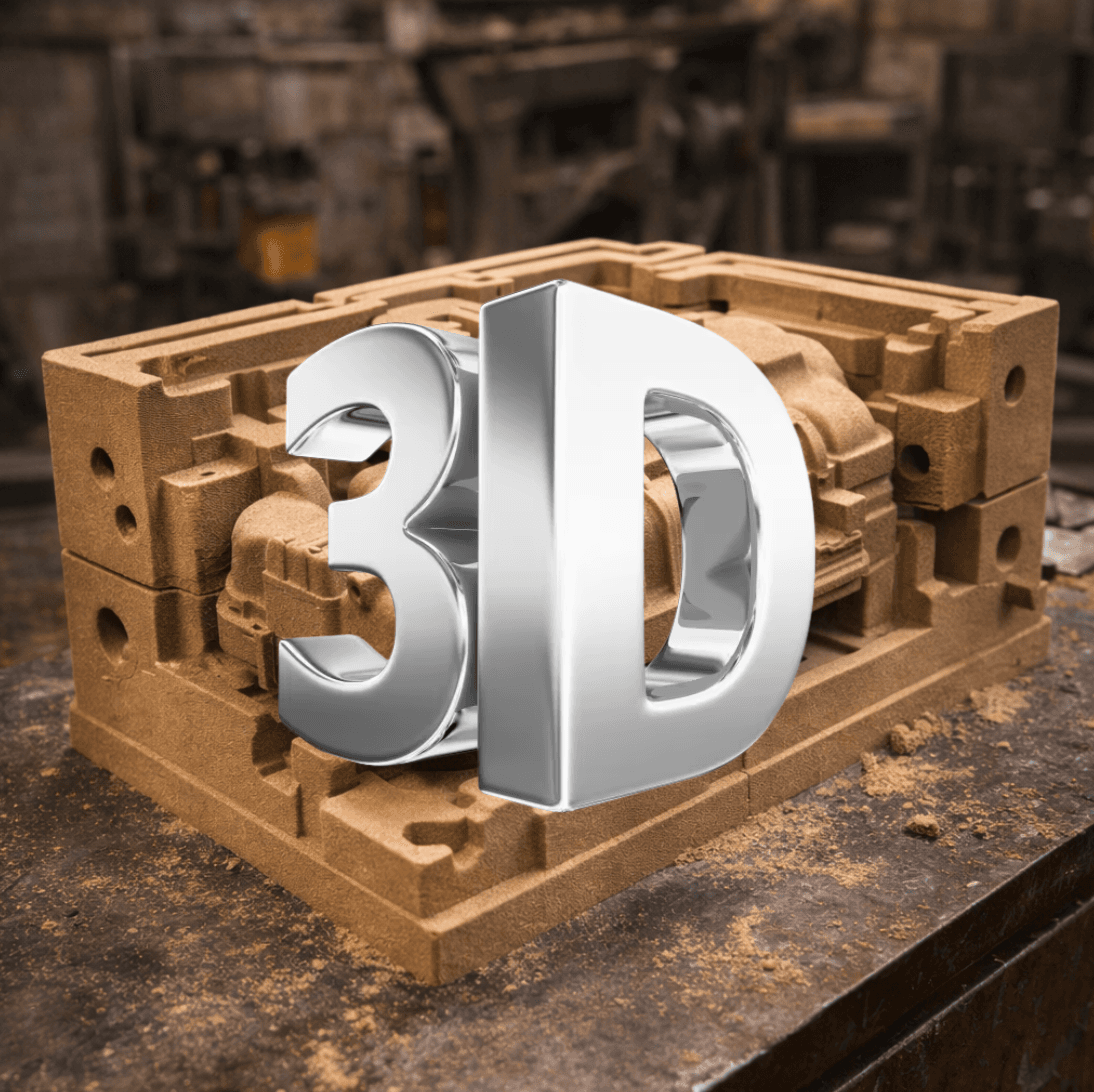
Aluminum Additive Manufacturing
Aluminum Additive Manufacturing

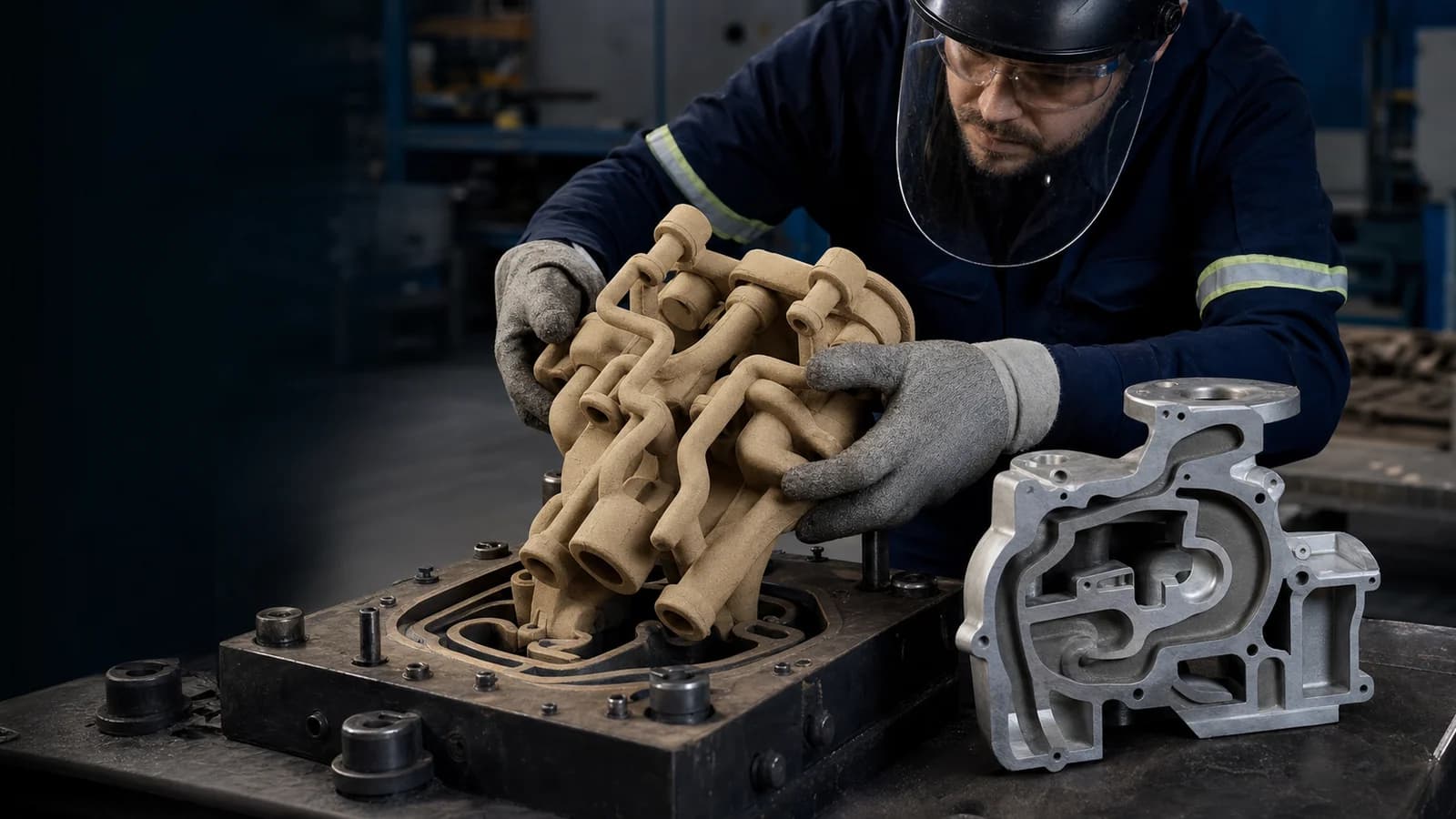
Accelerate the development of your aluminum parts using 3D sand printed molds and cores. This solution is particularly suited for prototypes, pre-series, and complex internal geometries when lead time and tooling elimination are critical.
Discover
Hand-moulded aluminum casting

Hand-moulded aluminum casting

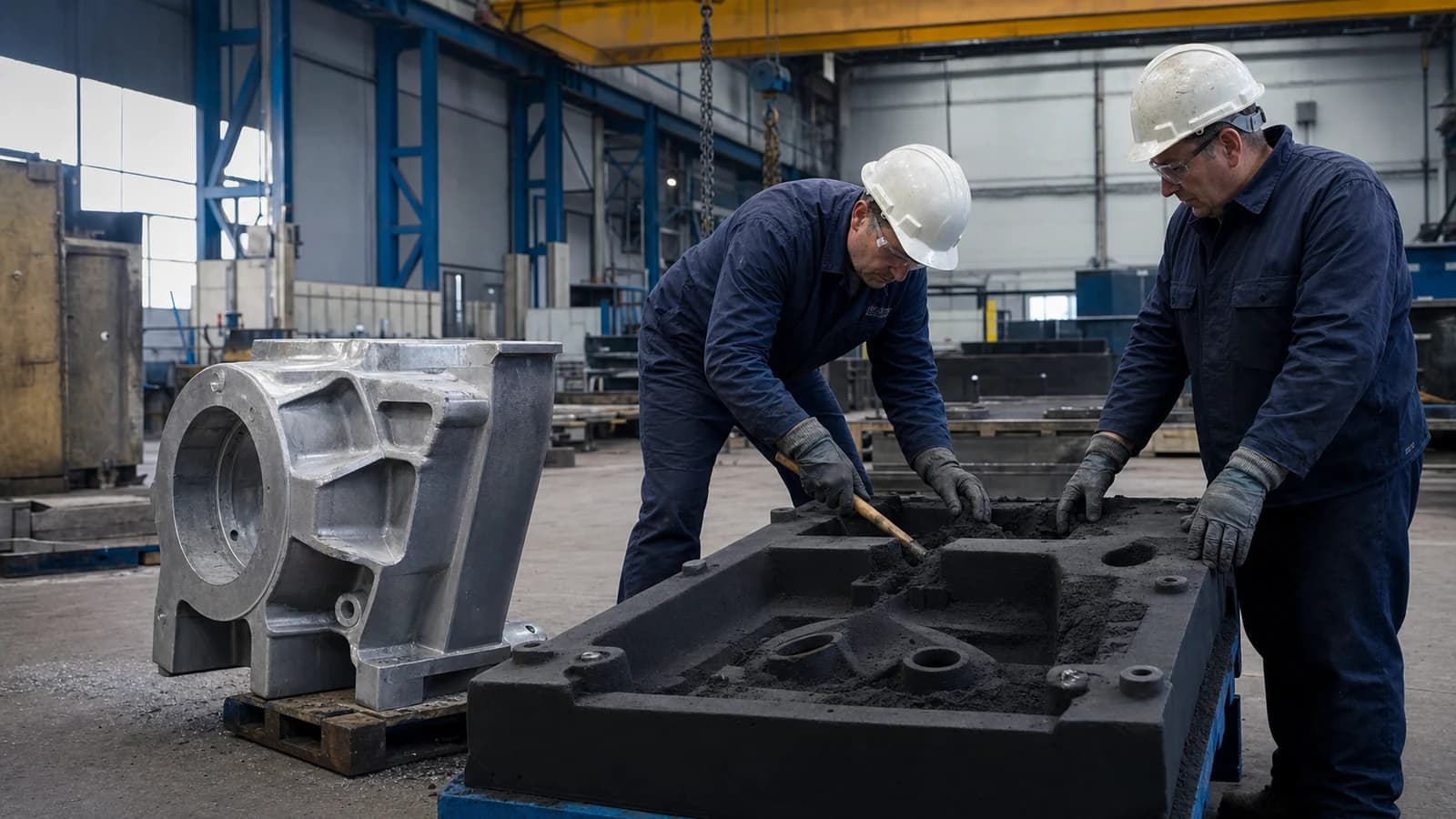
Hand moulding in resin-bonded sand is the preferred solution for one-off parts, small batches, prototypes, and productions requiring rapid adaptation. It allows for combining manufacturing flexibility, freedom of design, and control over tooling costs.
Discover
No-bake sand molding

No-bake sand molding

No-bake sand molding enables the production of large aluminum parts with excellent dimensional accuracy. Thanks to the mold's rigidity, this process is particularly well-suited to the requirements for heavy, complex, or structural parts.
Discover
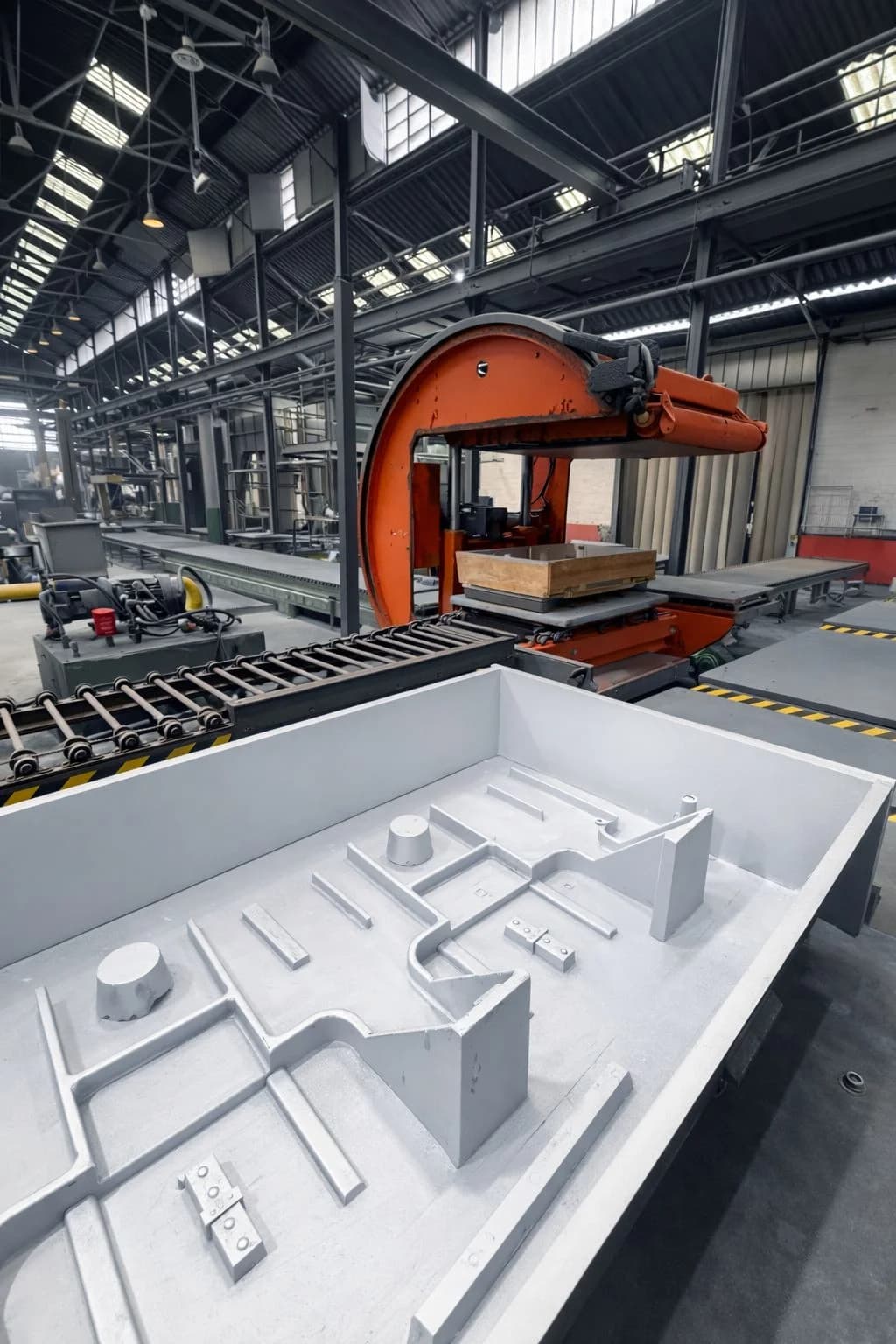
Aluminum green sand machine molding

Aluminum green sand machine molding
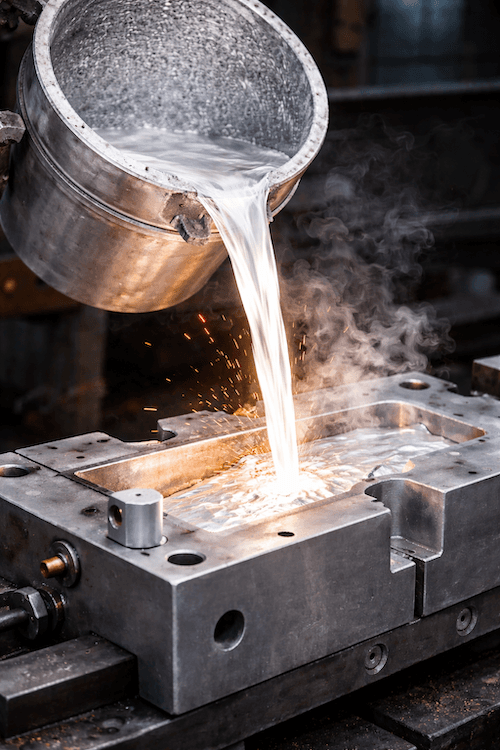
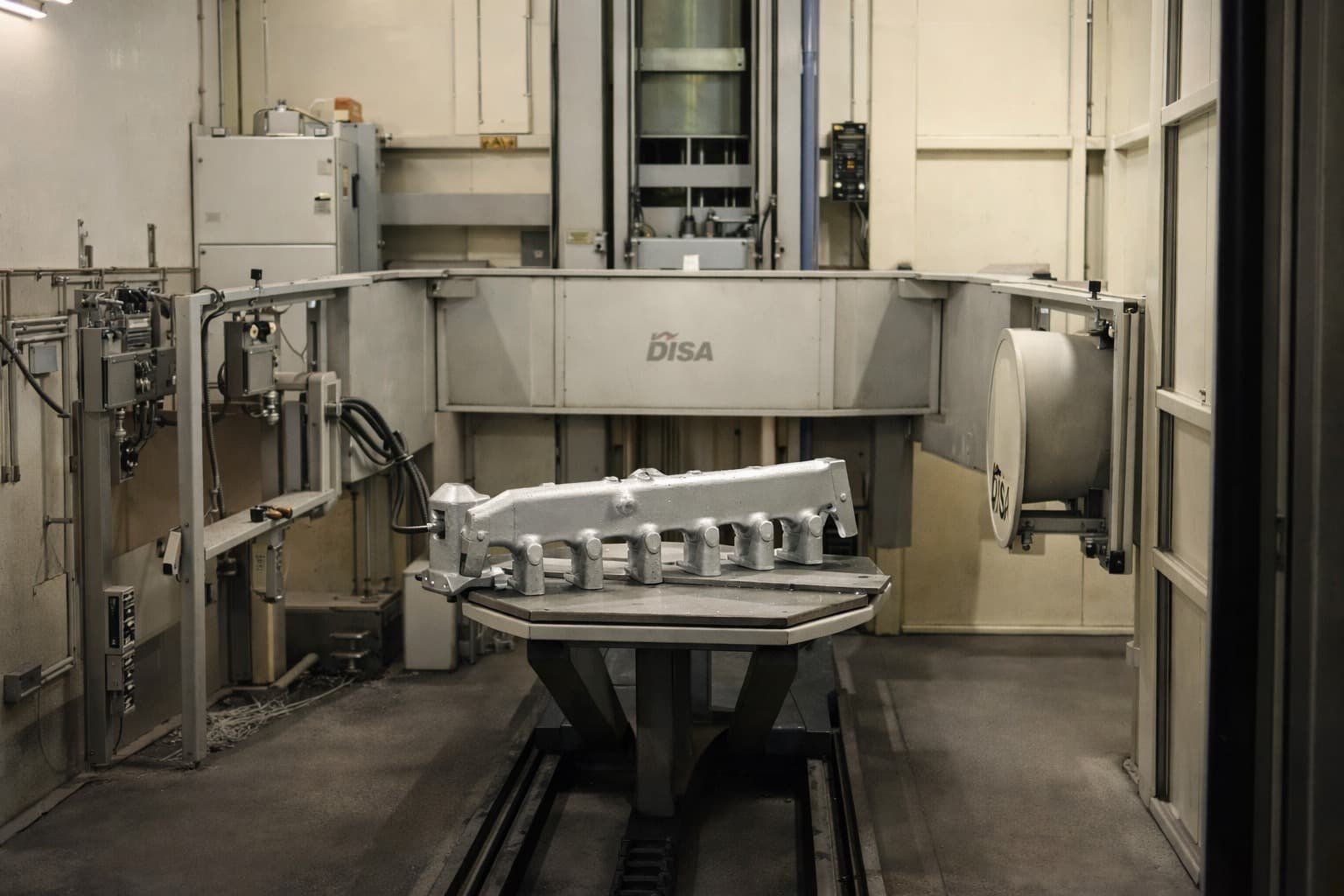
Green sand machine molding is designed for recurring production runs requiring productivity, repeatability, and competitiveness. The 800 × 900 × 300/300 mm automatic molding line enables the production of parts suitable for controlled industrialization.
Discover
Aluminum permanent mold casting

Aluminum permanent mold casting

Gravity die casting utilizes permanent metal tooling to ensure consistent production of aluminum castings exhibiting a good surface finish and mechanical properties suitable for industrial applications.
Discover
Low-pressure aluminum casting

Low-pressure aluminum casting
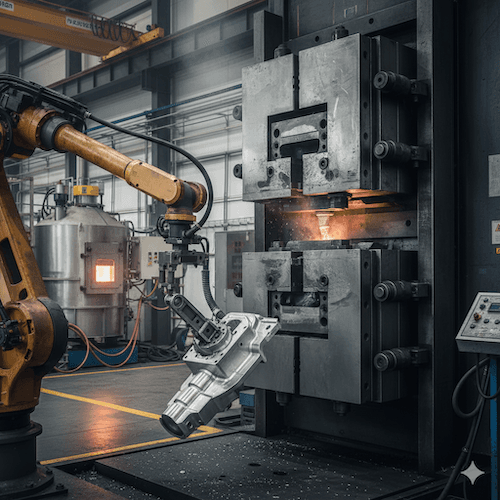
Low-pressure casting ensures a slow and controlled filling of the mold cavity. This approach helps limit turbulence and aims for good material integrity for structural, functional, or high-mechanical-requirement parts.
Discover
Aluminum die casting

Aluminum die casting

Die casting is suitable for high-volume projects requiring productivity, repeatability, and the integration of fine details. The injection of aluminum into metal tooling allows for the rapid production of complex geometries, provided the design is adapted to the process.
Discover
Coremaking

Coremaking

Coremaking enables the formation of the internal volumes of the part: conduits, cavities, fluid passages, housings, and undercuts. The design, positioning, and stability of the cores are critical for the functional conformity of aluminum parts.
Discover
Impregnation

Impregnation

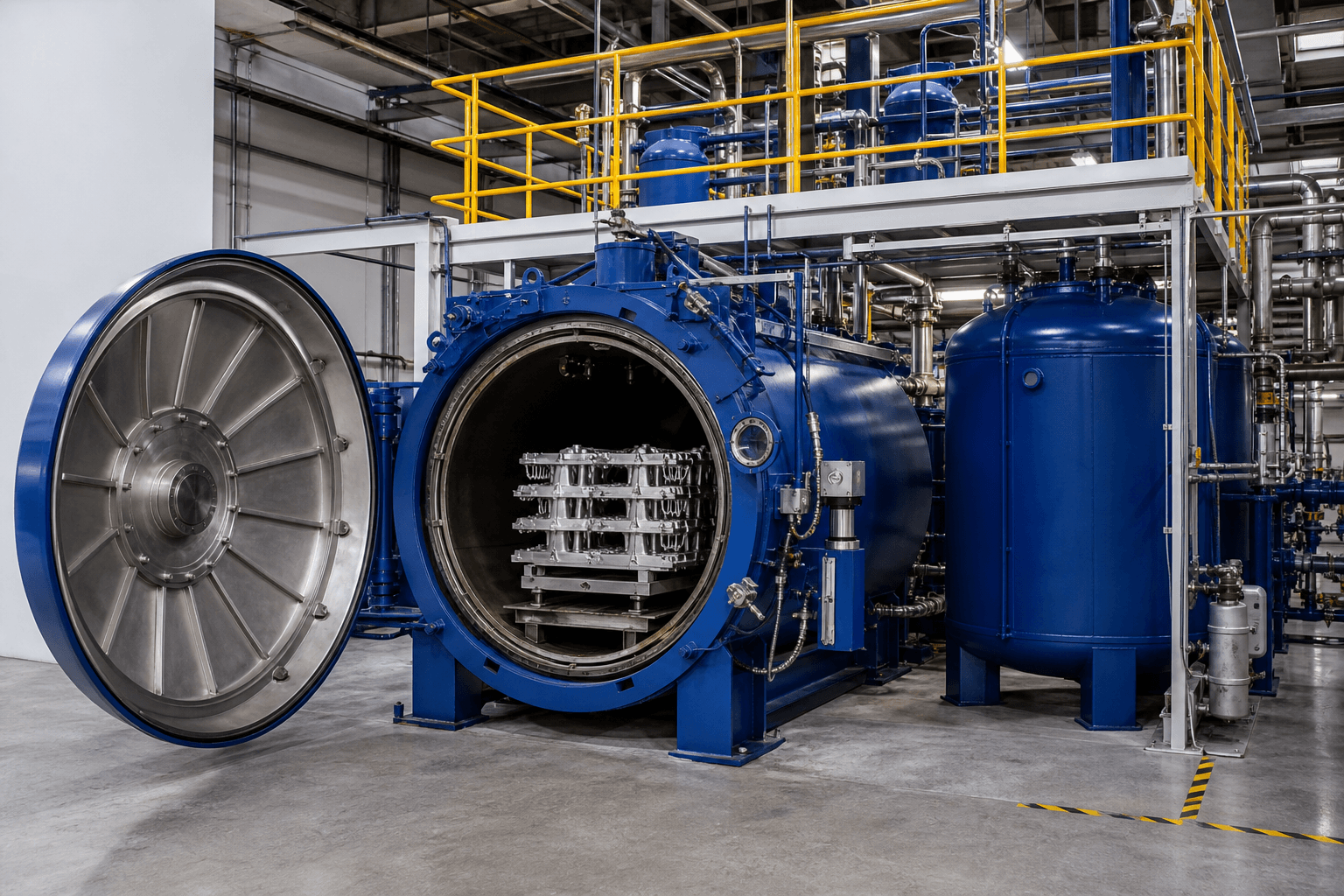
Vacuum impregnation helps ensure the leak-tightness of cast or machined parts containing microporosities. It integrates into a complete process chain including casting, optional machining, impregnation, and leak testing according to the specifications.
Discover
Quenching, tempering, and aluminum stabilization
Quenching, tempering, and aluminum stabilization

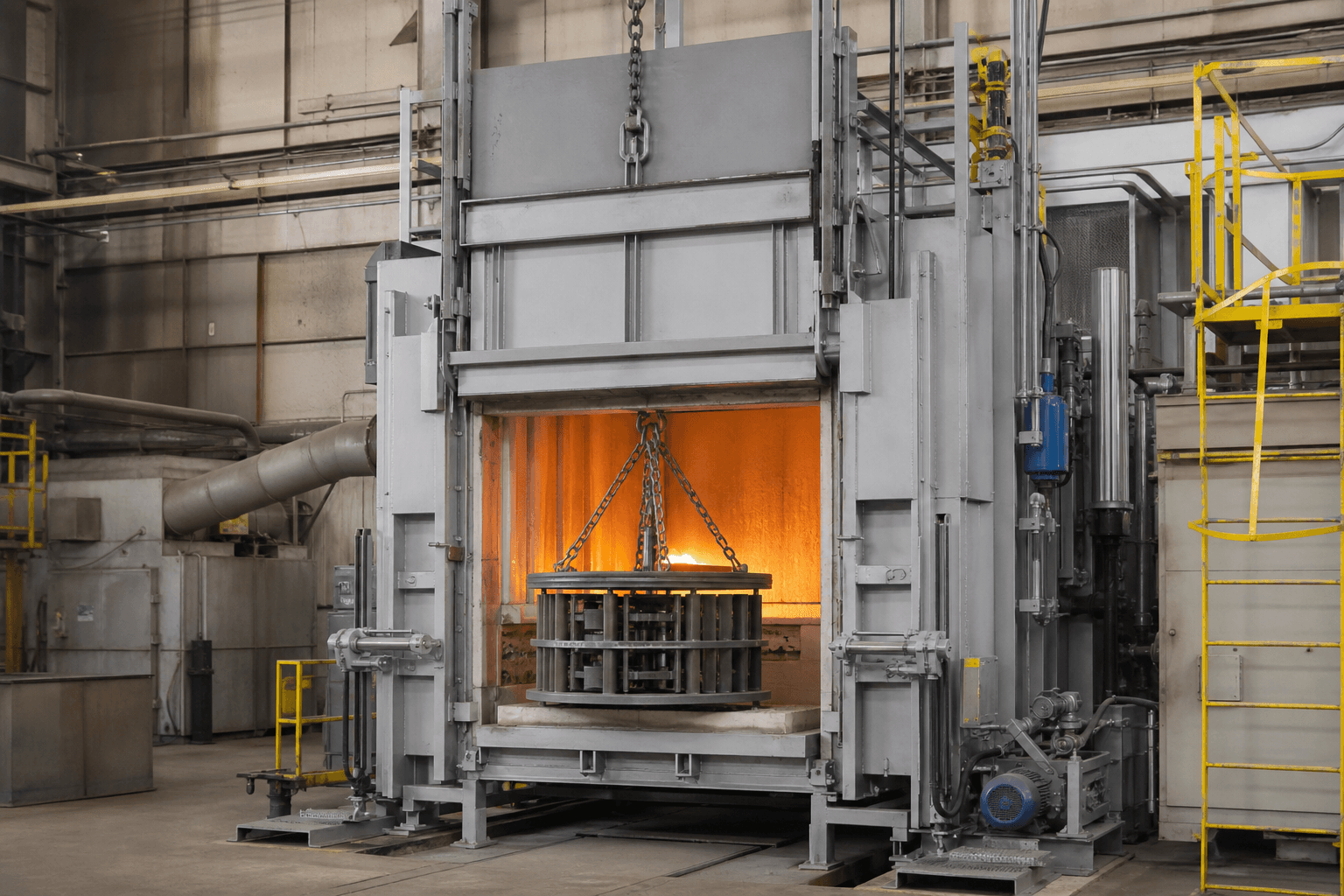
Heat treatments allow for adapting the properties of aluminum alloys to application requirements: mechanical strength, hardness, dimensional stability, and in-service behavior. Depending on the alloy grade, the range may include solution heat treatment, quenching, tempering, artificial aging, stress relieving, and stabilization.
Discover
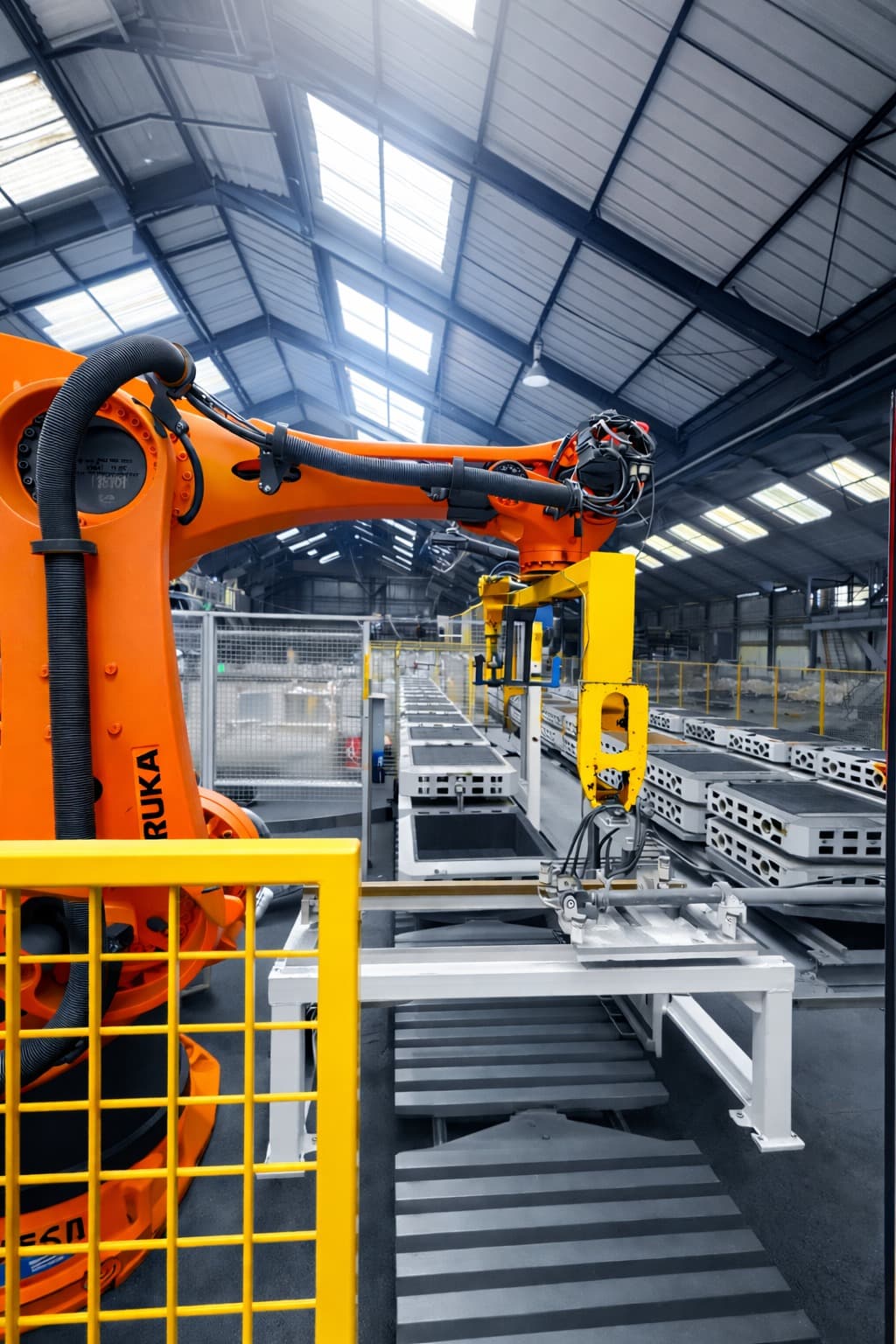
Deburring robot

Deburring robot

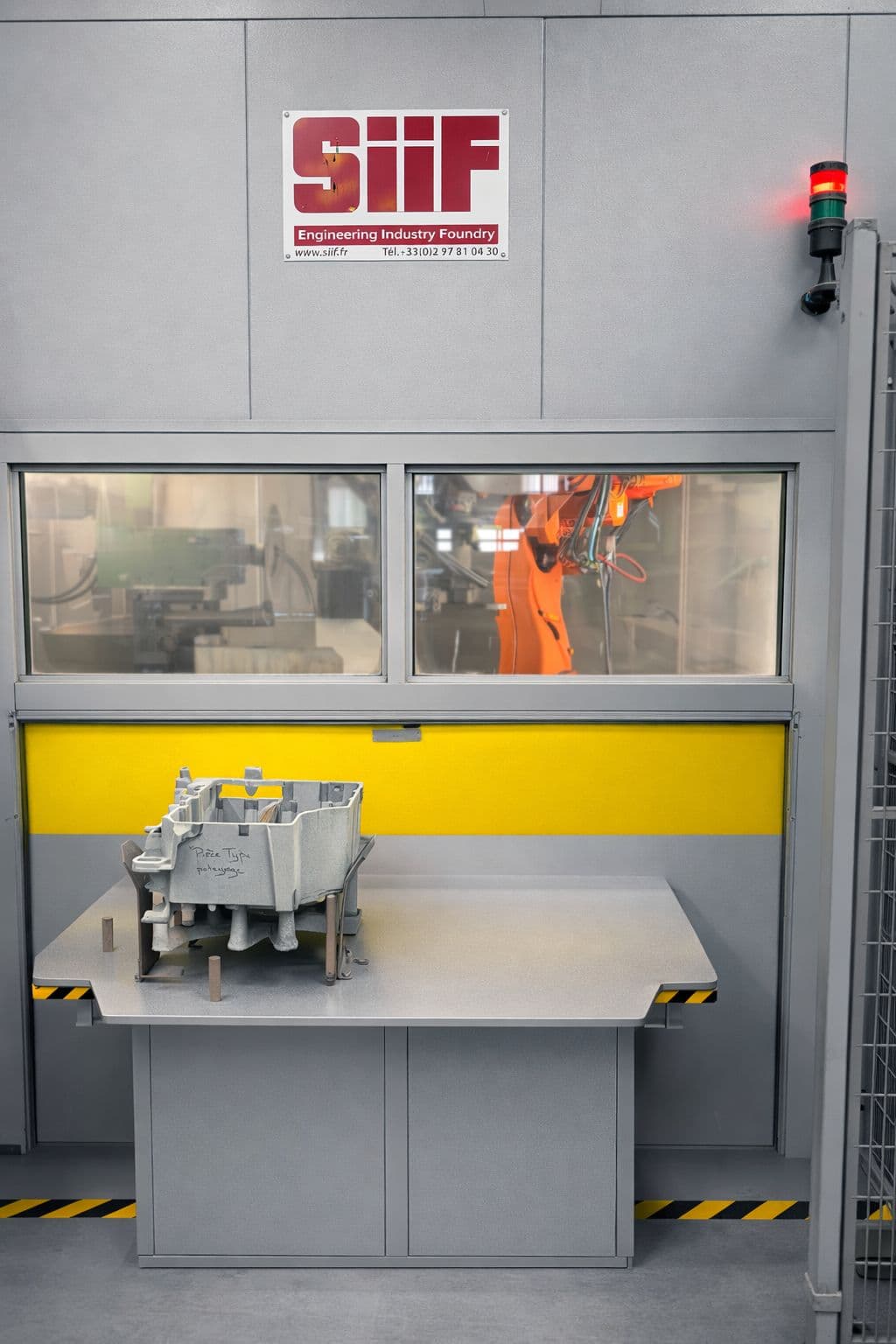
The deburring robot automates post-casting fettling operations: removal of gating systems, deburring, preparation of functional areas, and repeatability of finishes. It helps improve consistency, safety, and productivity for recurring production runs.
Discover
Quality Control Methods

Quality Control Methods

Radioscopy, spectrometry, penetrant testing, and 3D inspection to ensure the integrity of technical aluminum parts.
Discover