01
Tailoring the properties of cast alloys
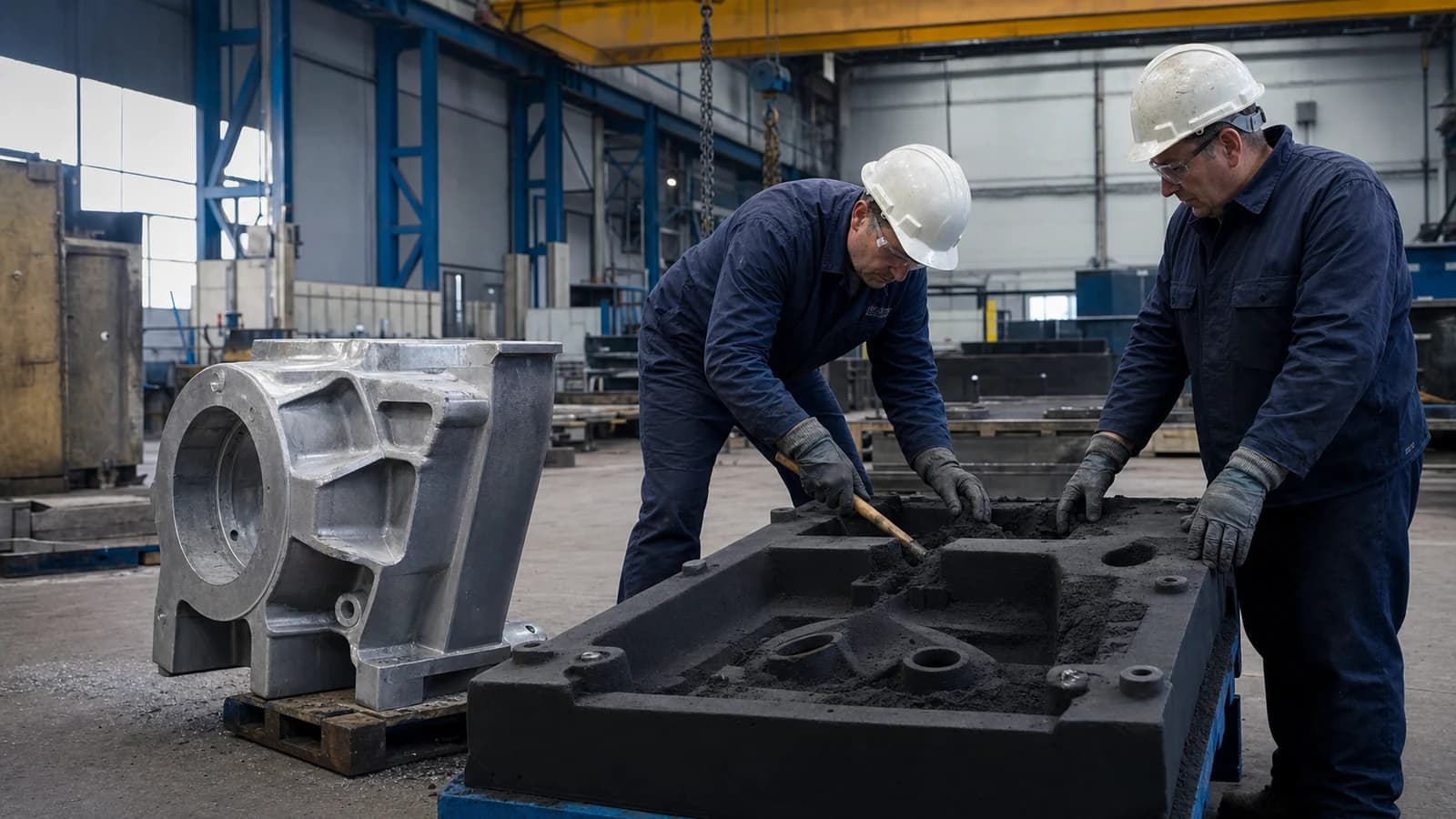
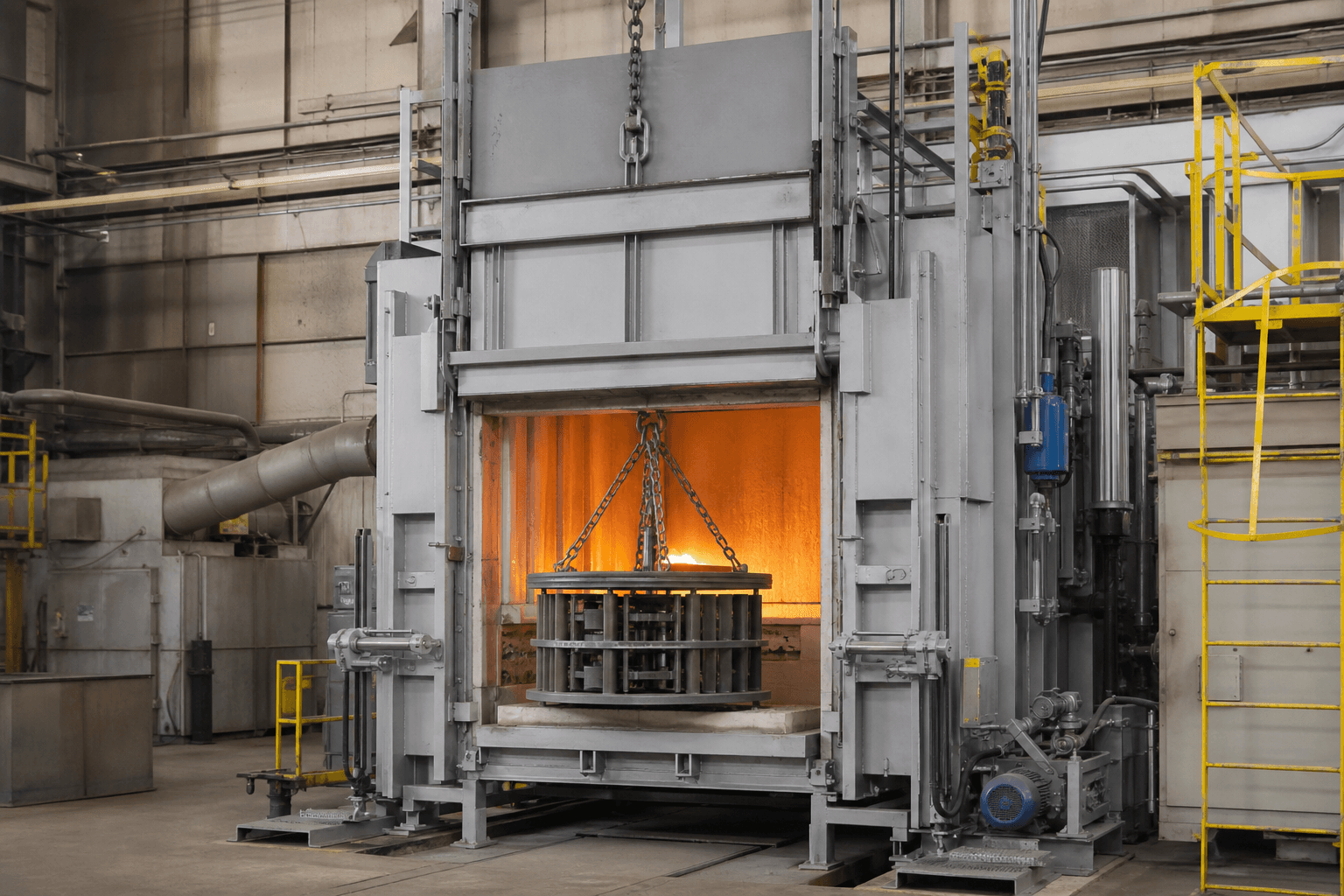
Birdie Foundry Aluminium offers heat treatments adapted to cast alloys to improve mechanical strength, hardness, elongation, dimensional stability, and in-service performance.
Depending on the alloy grade, casting process, and part requirements, operations may include solution treatment, quenching, tempering, artificial aging, over-aging, stress relief, and stabilization.
02
Available Treatments
T4 — Solution Treatment, Quenching, and Natural Aging
This treatment is sought when a compromise between strength and ductility is required.
T5 — Controlled Cooling and Artificial Aging
After casting, cooling is controlled and then followed by artificial aging, sometimes referred to in the workshop as a tempering phase. The thermal exposure is more limited than for a T6.
T6 — Solution Treatment, Quenching, and Artificial Aging
This reference treatment targets high mechanical strength and hardness in suitable hardenable alloys.
T7 — Solution Treatment and Over-Aging
This cycle is preferred when dimensional stability, in-service performance, or certain durability requirements take precedence over maximum strength.
Annealing, Stress Relief, and Stabilization
These operations are designed to reduce internal stresses, improve stability after machining, reduce the risk of deformation, or prepare for a subsequent operation.
03
Applications and Key Considerations
- Structural components and engine parts.
- Pump bodies, casings, and flanges.
- Hydraulic components.
- Machined parts requiring defined mechanical properties.
04
Associated Controls
Hardness, tensile strength on test specimens or control bars, dimensional inspection after treatment, surface inspection, dye penetrant inspection or radiography can be evaluated according to the level of requirement. Criteria are established with the client before launch.
Technical Note
Treatments are proposed after a feasibility study. Final properties depend on the alloy, geometry, thickness, metallurgical quality, thermal cycle, and selected controls. No metallurgical condition should be considered contractual without validated specifications.
05
Request a quoteLet us determine the suitable treatment
Submit your drawing or 3D file, the intended grade, the expected mechanical properties, the casting process, and dimensional constraints. Our teams will define with you the appropriate heat treatment and control plan.